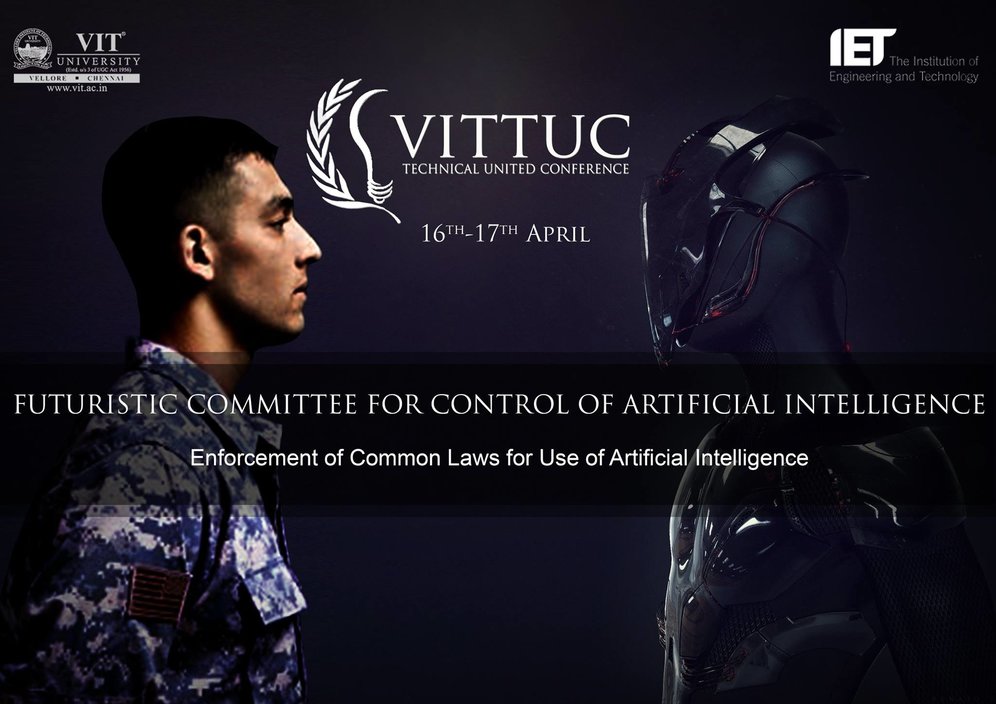
Most AIs of today, like IBM’s Watson, Apple’s Siri or Microsoft's Cortana, are designed to accomplish very narrow tasks. Each of these AI systems performs well in their specific problem domain, but have not harnessed the true potential of Artificial Intelligence that is, they are not able to easily learn how to do new things. In contrast, the distant future promises of building a single, unified system that will eventually be generally intelligent like a human. That means a machine that will be able to make sense of the world around it, building a complex and nuanced model of reality based on past experience and current sensory data. Much has been debated on whether to set limitations or harness the true potential of AI. Based in the future, it has come to the committee's notice that particular machines powered by AI have outsmarted human beings. Are these machines a threat? Shall machines powered by AI allowed to resume their current operations such as performing high precision medical surgeries or highly adaptable and skilled astronauts that are in search of a distant celestial body that can sustain life or provide for our ever growing need for resources? Or shall pay heed to these occurrences and make a common global law to monitor and limit the use of AI in machines? Dawn the shoes of a delegate and decide the fate of Artificial Intelligence in a world that may mention the above as a basic need.